
IP Rights in the Age of Artificial Intelligence
Opportunities, Challenges, and the Legal Questions Shaping the Future
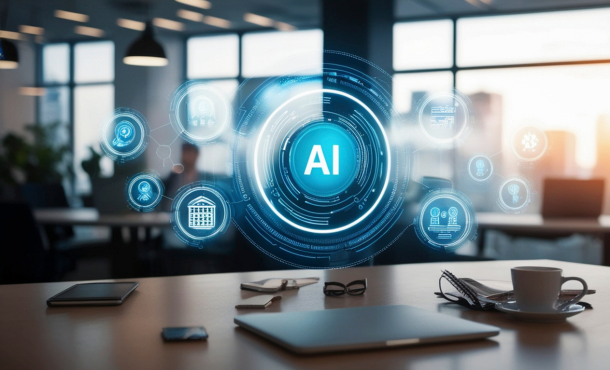
Artificial intelligence is no longer a distant innovation—it is actively reshaping how content is created. Today, AI can generate images, write articles, compose music, and even design full visual concepts in seconds. This unprecedented creative power raises an important question: who owns AI-generated content?
A New Era of Digital Creativity
Yasser
How AI Is Expanding Creative Possibilities
AI has opened new horizons for creators and businesses alike. It enables faster and more professional content production, supports innovation through advanced research and data analysis, and even helps identify copyright infringements automatically. In many industries, AI has become a powerful creative assistant rather than just a technical tool.

Copyright Concerns and Legal Grey Areas
The challenge becomes even more complex when AI systems rely on existing copyrighted materials. If protected works are used without permission, this may lead to copyright infringement and disputes over creators’ rights. This reality raises a pressing concern: are current intellectual property laws capable of keeping up with AI-driven innovation?
The truth is that most IP laws were designed long before AI-generated content became widespread. As a result, a legal grey area has emerged—one that urgently requires modern, adaptive legal solutions.
The Need for Global Legal Collaboration
Addressing these challenges demands international cooperation. Governments, businesses, and global organizations such as the World Intellectual Property Organization (WIPO) must work together to develop updated legal frameworks. These frameworks should protect intellectual property rights while still encouraging innovation and technological progress, supported by broader public awareness of IP protection.
AI and the Future of Creativity
Artificial intelligence is not an enemy of creativity—it is an opportunity to redefine it. However, this opportunity must be guided by clear and balanced legal regulations that protect creators, prevent misuse, and align with the rapid pace of technological advancement. Achieving this balance will shape the future of culture, business, and the digital economy.